Following interpack 2026, the global focus on food protection, sustainability, processing efficiency and automation continues to be highly relevant for food manufacturers.
According to official interpack materials, food protection, packaging innovation, processing efficiency and sustainability were central themes of the 2026 edition.
In many food factories, product loss begins before packaging — during processing steps such as cutting and portioning.
For many food manufacturers, improving cutting quality is one of the most immediate ways to reduce production waste.
Why SAVE FOOD Matters
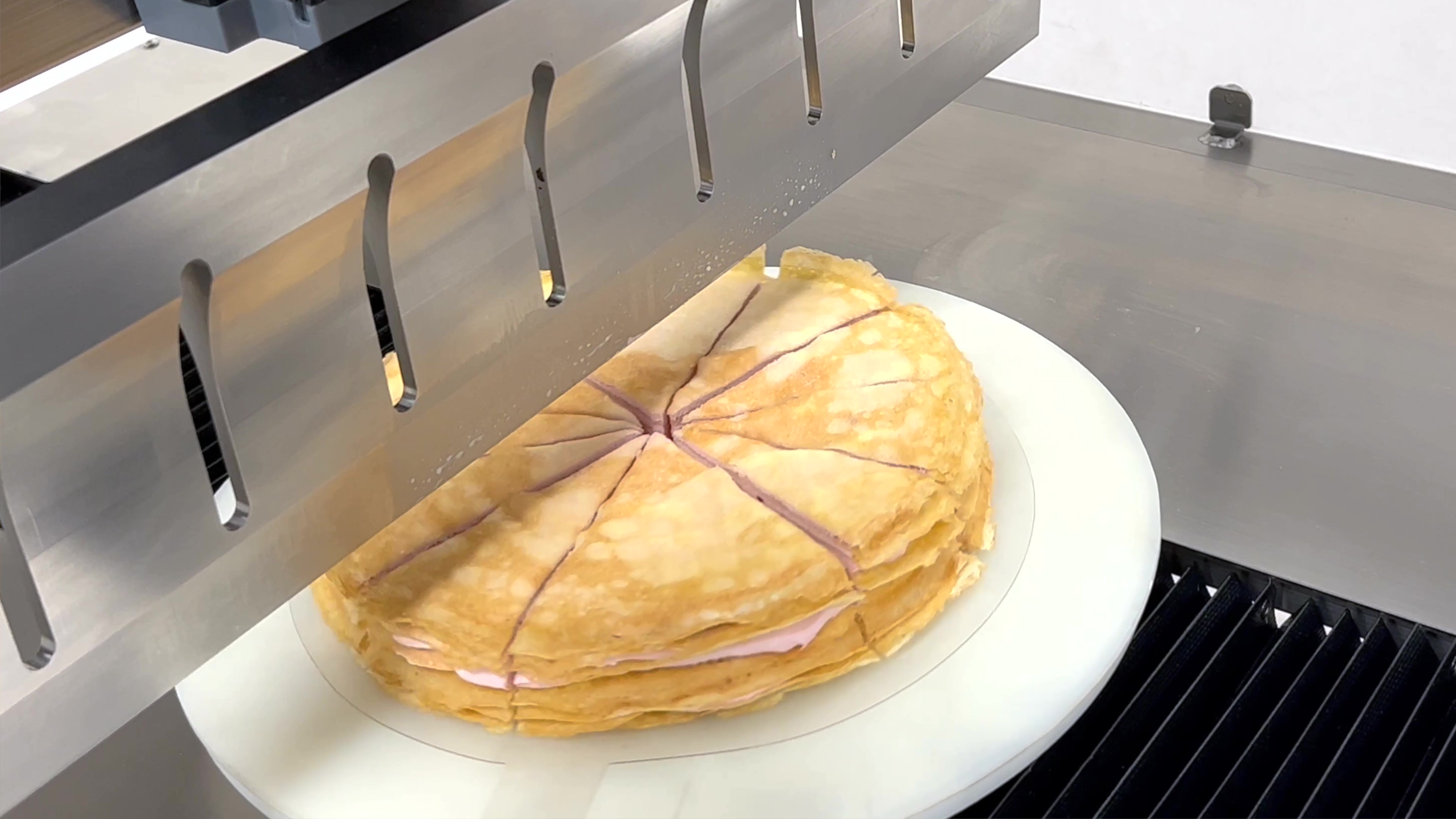
Reducing waste starts with cleaner cutting and consistent portion sizes.
Food waste does not only happen at retail or logistics stages. In many factories, product loss starts during production:
- Damaged cakes during slicing
- Broken frozen desserts
- Sticky residue causing rework
- Uneven portion sizes
- Appearance defects reducing product value
These losses are often overlooked, yet they directly impact overall production efficiency and sustainability.
Complex Bakery Products Require Precision Cutting
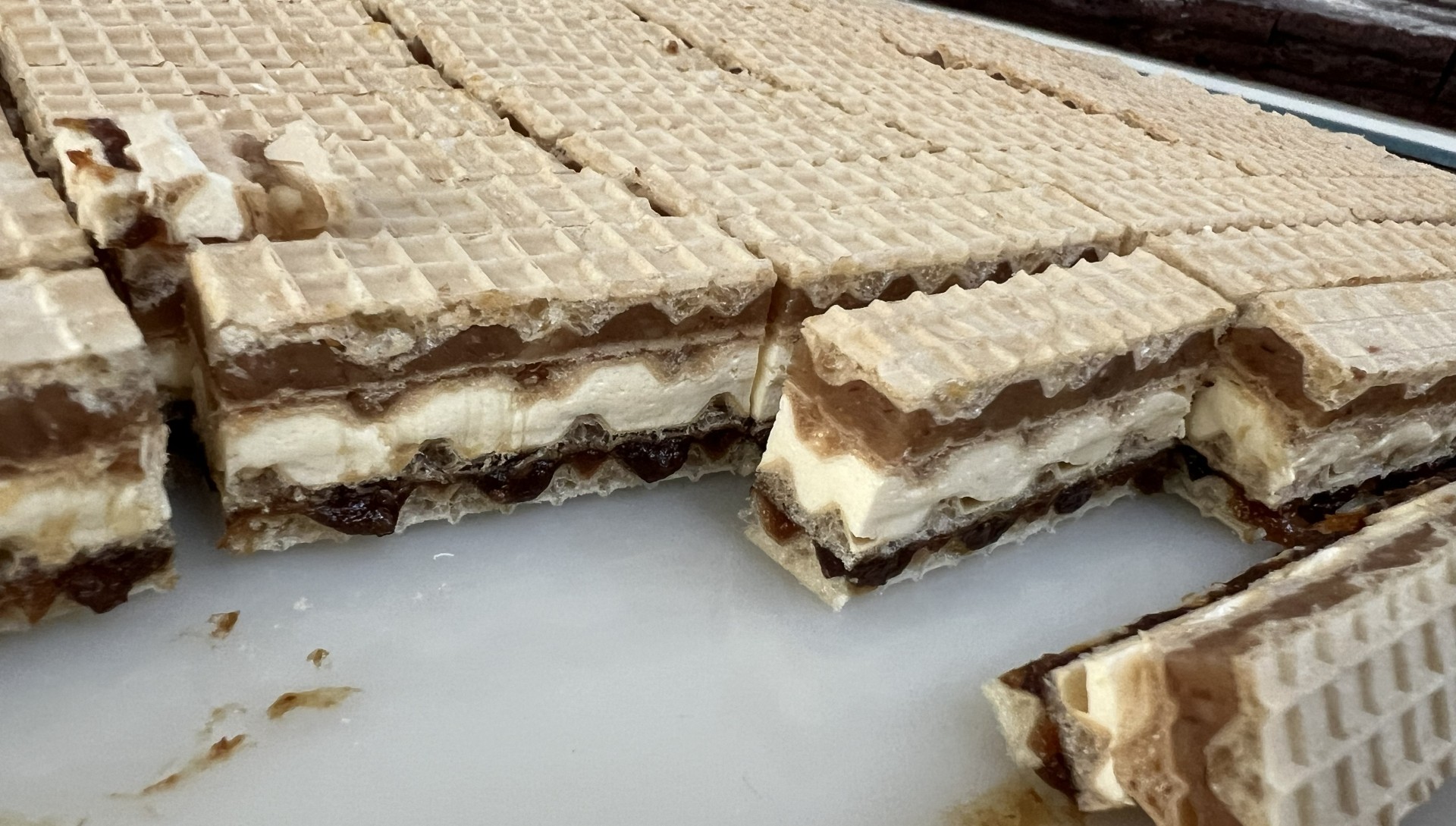
Real cutting results from actual production conditions.
Multi-layer bakery products combine soft cream, sticky fillings and fragile structures.
Conventional cutting methods often cause deformation, uneven portions and product loss.
Ultrasonic cutting helps maintain clean layers, stable structure and consistent portioning — even for complex products.
Better cutting quality directly reduces waste and improves final product value.
Maintaining product integrity during cutting is a critical step in reducing food waste at the processing stage.
This becomes especially critical for high-value bakery products where appearance directly affects market value.
While packaging plays a key role in protecting food, improving processing steps such as cutting can significantly reduce waste before packaging even begins.
Bakery & Dessert Trends for 2026
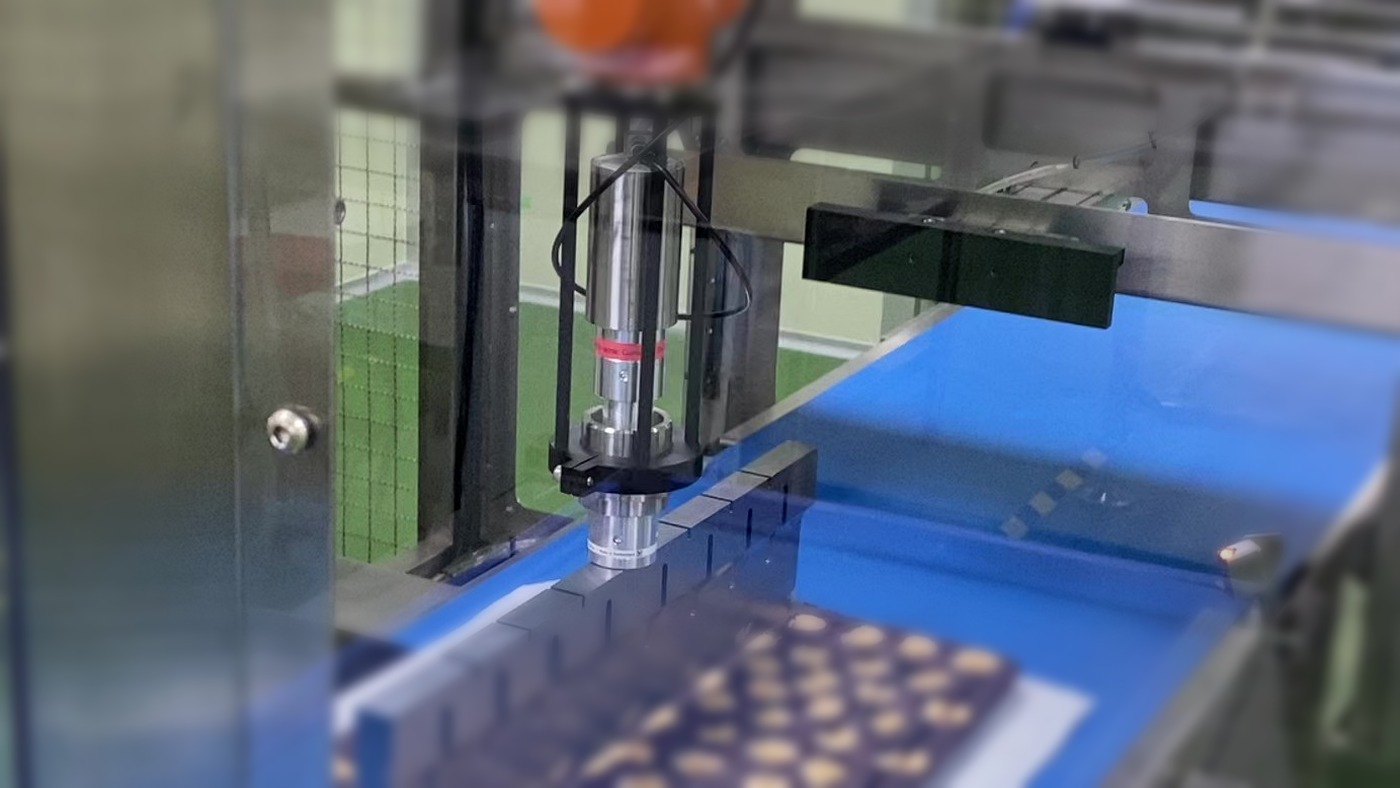
Automation and integrated production systems are becoming standard in modern food factories.
As premium desserts, frozen cakes and convenience bakery products continue to grow, manufacturers increasingly need:
- Compact automated production systems
- Precise portion control
- Labor-saving equipment
- Hygienic machine design
- Fast product changeover
- Reliable packaging integration
Automation with Consistent Results
Modern food production requires both continuous processing capability and consistent product quality.
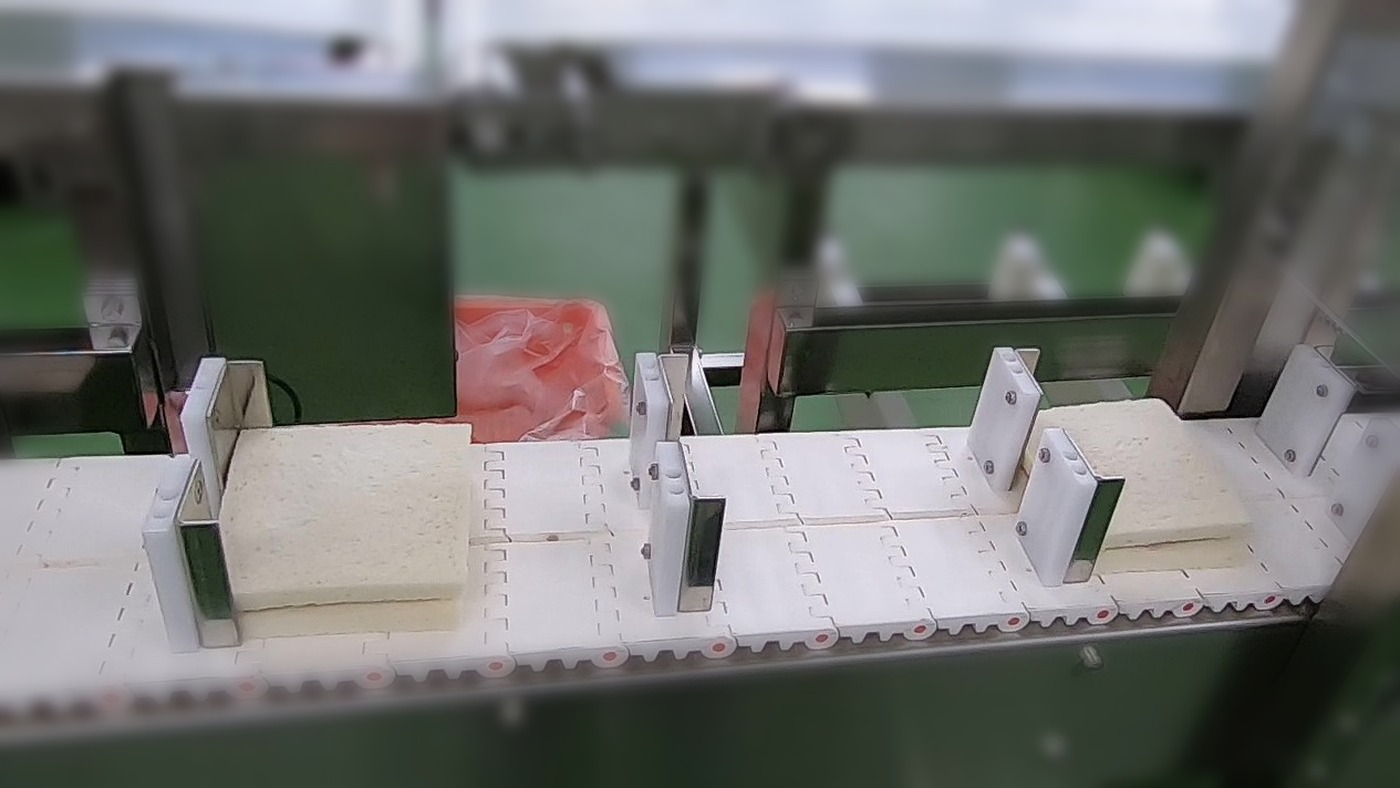
Continuous cutting with synchronized conveyor movement enables stable production flow.
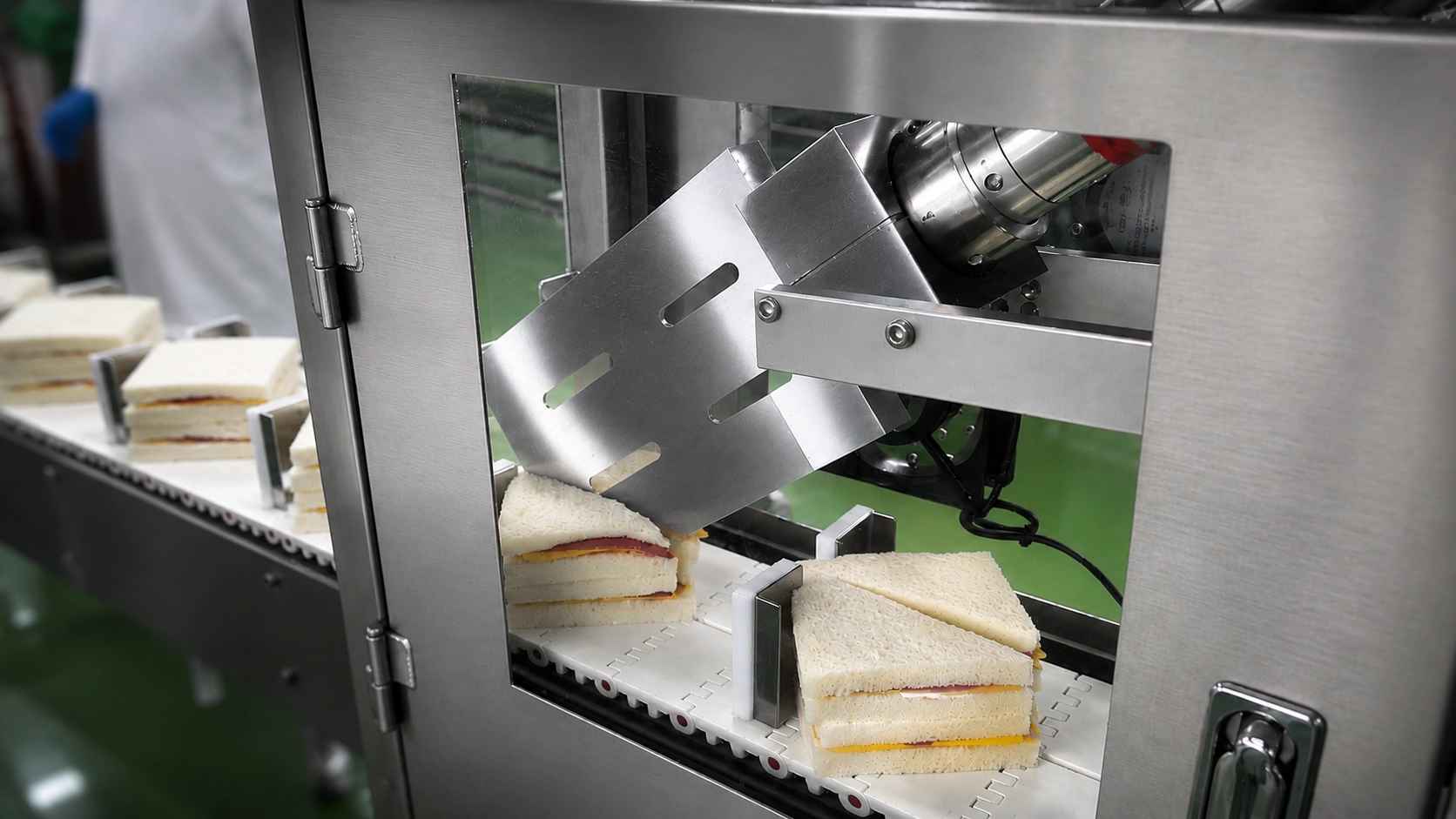
Uniform portioning and clean cutting surfaces improve product consistency and reduce waste.
Ultrasonic cutting systems can be integrated into automated production lines, helping manufacturers reduce labor dependency, improve efficiency and maintain consistent product quality across batches.
Stable and repeatable cutting also reduces variability, helping minimize product rejection and waste.
Better Processing Before Better Packaging
Packaging protects products after production, but product quality starts earlier in the process.
Precise cutting is one of the first key steps in protecting food appearance, maintaining consistency and reducing unnecessary waste during production.
This is why precision food slicing systems continue to gain attention worldwide.
Our Outlook for 2026
We believe the future of food production will combine:
- Sustainable manufacturing
- Higher efficiency
- Flexible automation
- Reduced waste
- Better product quality
Ultrasonic food slicers are well positioned to support these goals in bakery and food processing applications.
ULTRASONIC FOOD CUTTING
Explore Ultrasonic Food Cutting Solutions
From exhibition demonstrations to real production applications, discover how ultrasonic food cutting improves product quality, production efficiency and cutting consistency.
Explore Food Cutting Solutions