Ultrasonic food cutting blades are not ordinary knives. They are precision-engineered vibration tools that must be designed, inspected and matched to ultrasonic energy systems. Blade geometry, frequency behavior, load condition and application setup all influence cutting quality.
This article explains the engineering ideas behind ultrasonic cutting knives without exposing manufacturing know-how. It is intended for bakeries, food manufacturers, machine builders and maintenance teams evaluating blade replacement, blade service or ultrasonic cutting kits.
Ultrasonic blade performance depends on operating frequency, blade geometry, stack compatibility, application load and real production conditions.
No single blade design is suitable for every ultrasonic system. Reliable cutting performance comes from proper engineering evaluation rather than blade geometry alone.
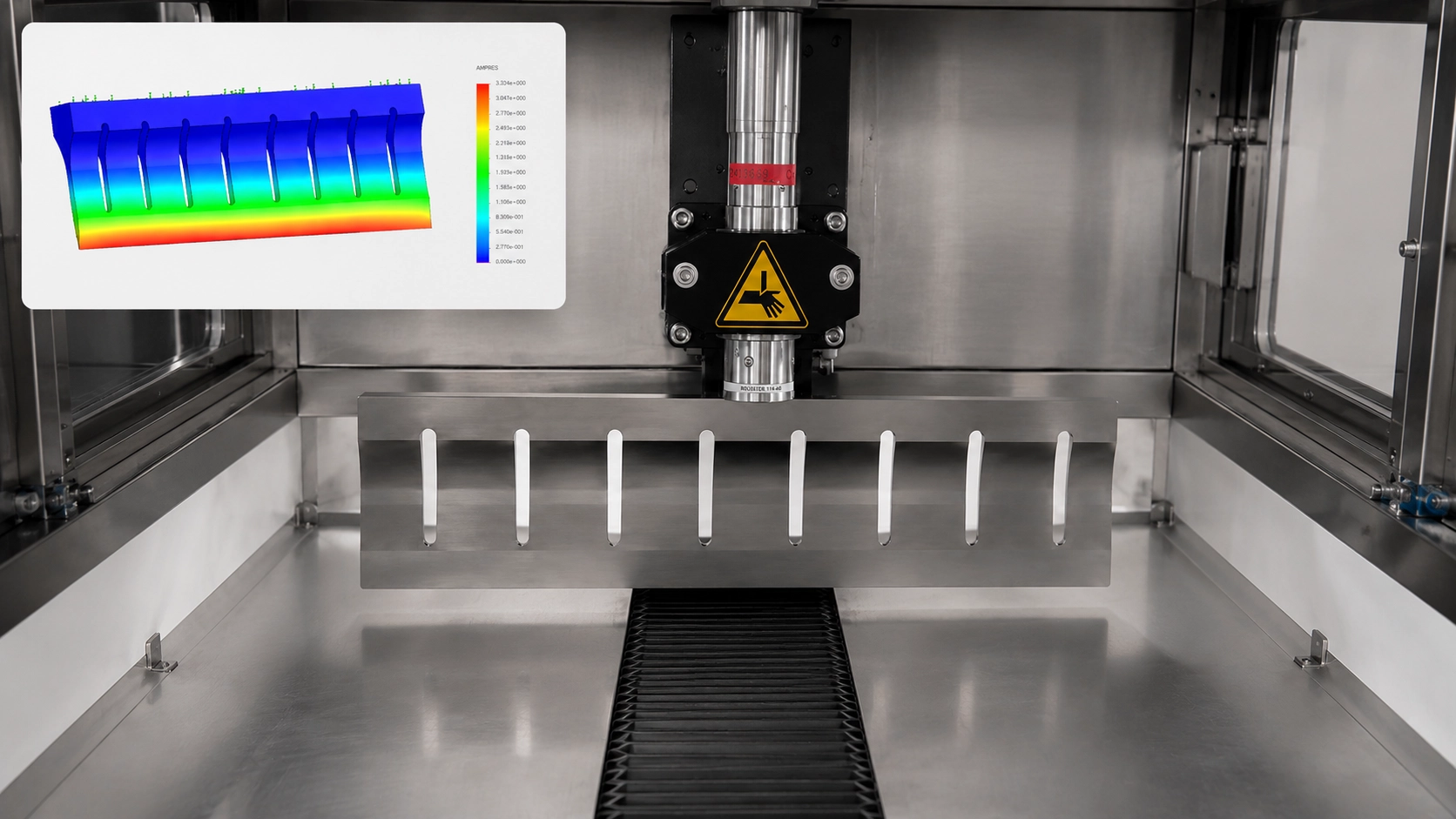
Designed Around Vibration, Not Only Shape
A food cutting blade must transfer ultrasonic energy consistently while keeping the cutting edge stable under real product load.
Our blade work combines practical manufacturing experience with engineering verification. Beyond traditional oscilloscope-based checks commonly used for ultrasonic tooling, digital inspection equipment and FEM-assisted analysis help verify whether a blade stays within the intended vibration behavior.
Blade Replacement Without Replacing the Whole Stack
For many applications, the goal is to replace the worn or damaged cutting blade without changing the converter and booster unnecessarily.
Frequency Matching
The blade is checked against the target operating range to reduce mismatch and unstable output.
Stack Compatibility
Converter, booster and blade behavior are evaluated as a connected ultrasonic system.
Application Fit
Blade size, product height, cutting depth and fixture support influence final suitability.
Practical note: Ultrasonic stack compatibility is application-specific. The same blade shape may behave differently under different loads, product textures and machine settings. Final confirmation requires inspection and application review.
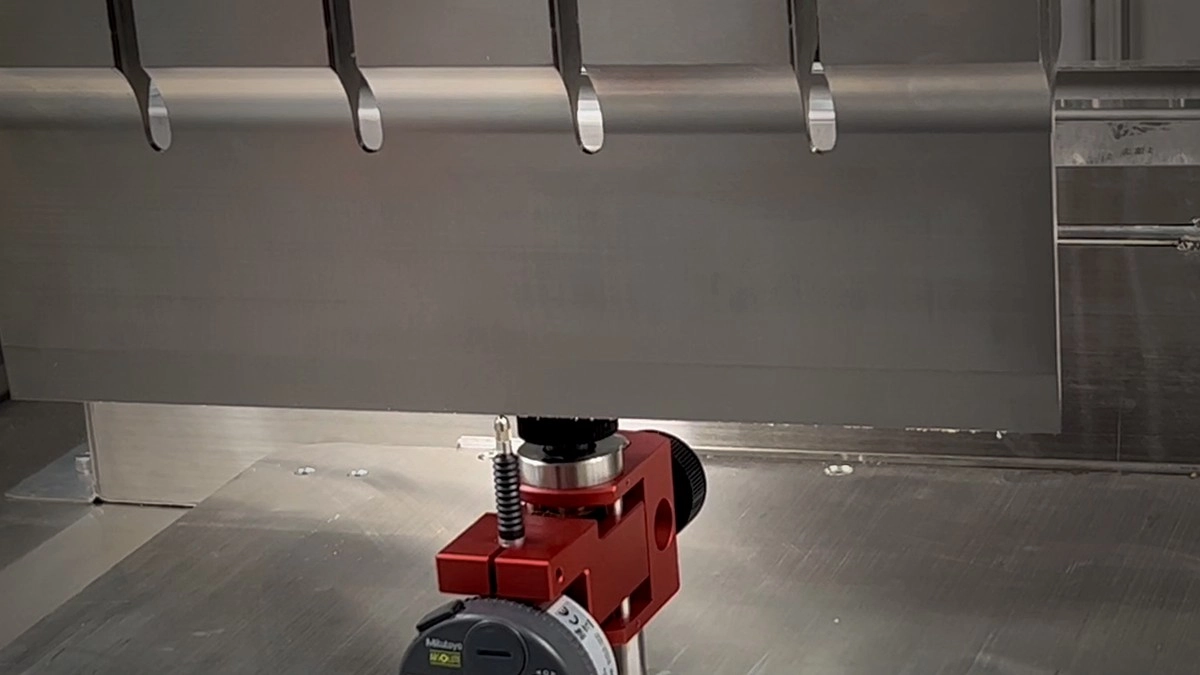
Blade Refurbishment & Failure Evaluation
Not every failed blade needs to be replaced immediately. Some blades can be evaluated, corrected and returned to service.
In food cutting applications, many blade problems are caused by handling or setup issues: excessive overcut, collision, product movement, incorrect fixture height or accumulated mechanical stress. When a blade is returned for assessment, we evaluate whether repair is still safe and practical.
- Inspection first — visible damage, vibration behavior and risk level are reviewed.
- Refurbishment when possible — minor damage may be corrected to extend blade service life.
- Replacement when necessary — cracks, severe deformation or unsafe vibration behavior should not be reused.
- Setup feedback — failure patterns can help improve cutting depth, fixture design and operator training.
FAQ
BLADE ENGINEERING • TECHNICAL SUPPORT
Need Blade Replacement or Engineering Evaluation?
Whether you are replacing an ultrasonic blade, evaluating stack compatibility or planning a new food cutting application, engineering review is the best place to start.
View Ultrasonic Components